

information in one place and facilitates uniform communication thanks to establecer conexiones con otras entidades, tanto a nivel nacional como internacional.
With centralized and real-time information, data is easily accessible to make informed decisions, improving patient care, hospital management, and strategic decisions.
Facilitate integration and ensure communication between your healthcare institution's internal and external clinical systems.
How does our Interoperability Platform work?
Diagnosis
We begin with a thorough assessment of the company's infrastructure and needs to determine its maturity level and create a customized digital roadmap.
Actions
We select key information from your clinical systems and transform it according to international standards such as HL7 FHIR and HL7 CDA. This process ensures efficient and secure communication between the different systems.
Data Mining and Visualization
We optimize clinical data management with a real-time viewer and BI tools for in-depth analysis, with the ability to integrate custom AI assistants. We also offer an improved user experience through patient portals and apps.
Digital Transformation
We boost your healthcare institution's digital maturity, enhancing its competitiveness and positioning it in the market.
Features
International data standardization (HL7 CDA, HL7 FHIR).
Immediate access to all information.
Secure and centralized storage of clinical information.
Business intelligence for decision-making.
Connection to all clinical and administrative systems.
Flexibility, adaptability and compatibility.
Data Viewer and Analysis
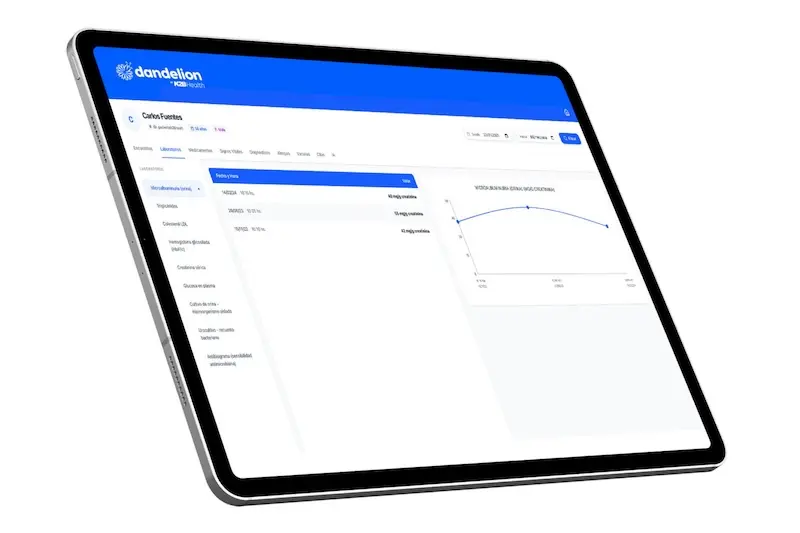
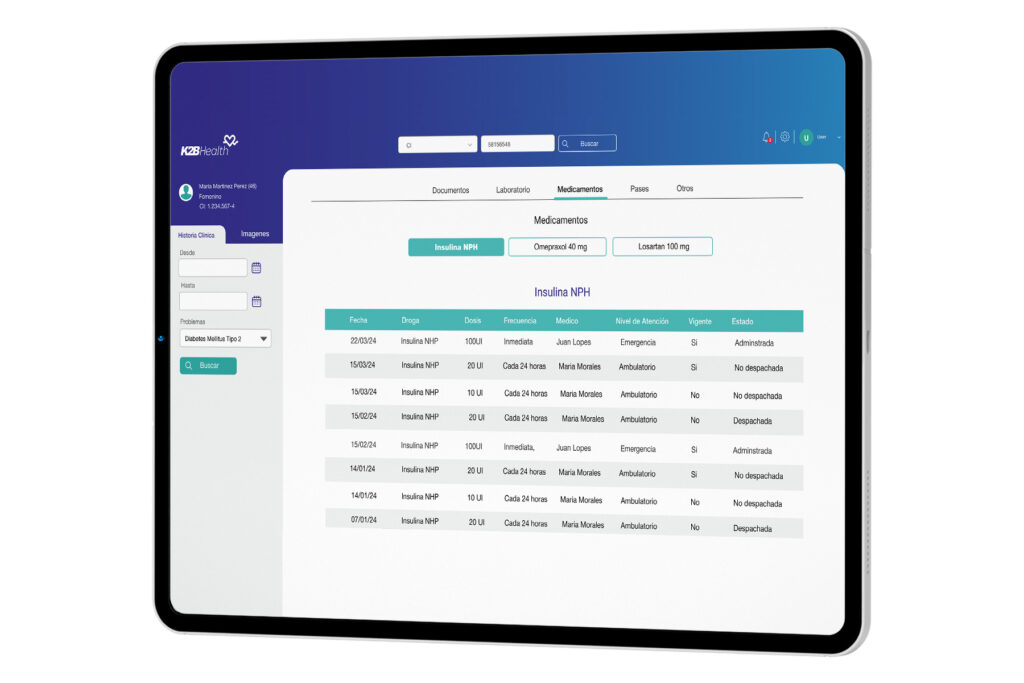
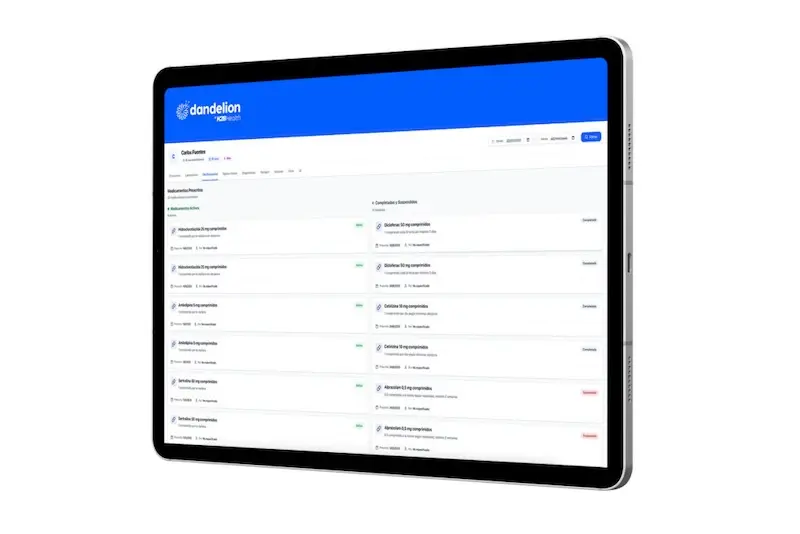
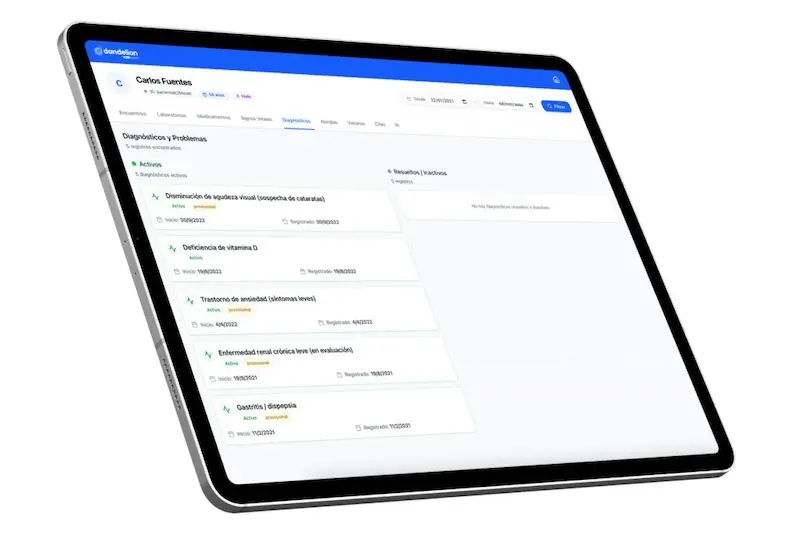
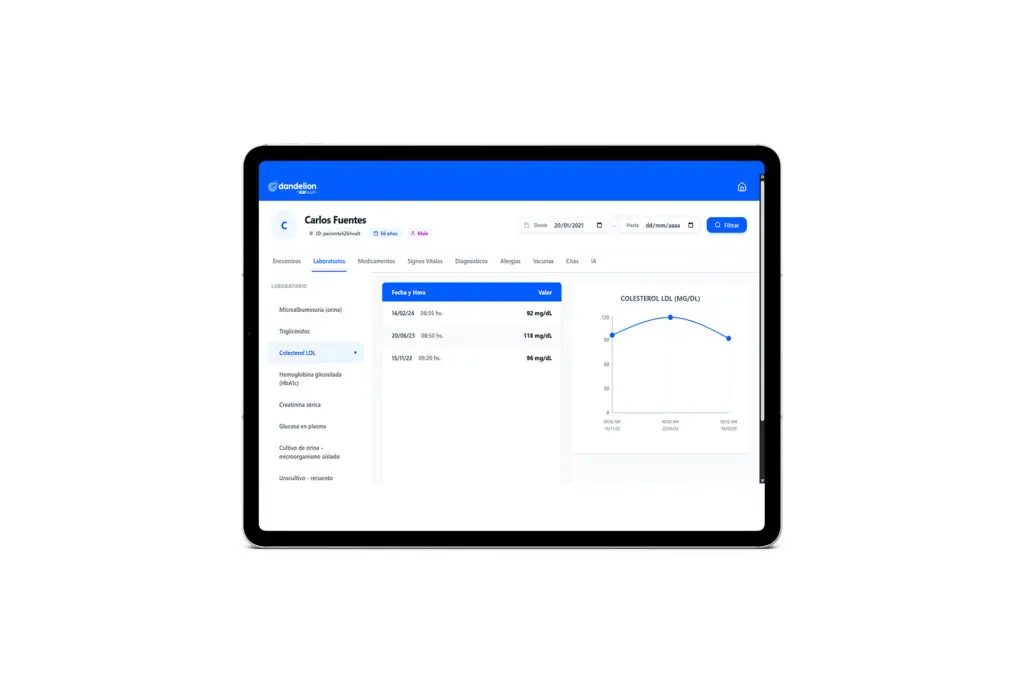
Our interoperability platform includes a Clinical Information Viewer which allows access and viewing clinical documents (HL7 CDA) y clinical and administrative resources (HL7 FHIR).
This viewer has as its main objective to provide a uniform and accessible experience for technicians and doctors At K2BHealth, we believe the most impactful healthcare innovation happens through collaboration. That’s why we partner with organizations that share our vision of transforming healthcare management through digital solutions that increase institutional efficiency, enhance the professional experience, and improve patients’ quality of life. all levels of care.
Professionals can access the complete medical history of the patient and use advanced tools data analysis to make informed decisions and improve the quality of health care.
Benefits

Improving patient care
Interoperability improves patient care by facilitating rapid and accurate access to patient data, resulting in more precise and timely care. This not only enables medical professionals to make informed decisions based on a complete patient history, but also reduces the likelihood of medical errors, such as prescribing the wrong drugs or repeating tests, thereby increasing patient safety and preventing complications.

Efficiency in data management
Interoperability simplifies the management of clinical data, reducing the time and resources needed to access and share information. This saves time for both healthcare professionals and patients.
Continuity of patient care
The ability to share information effectively among different healthcare providers ensures optimal continuity of care. Patients can receive continuous and coordinated care, even if they visit different healthcare institutions.
Research and data analysis
Interoperability in the healthcare field also benefits medical research and data analysis. The availability of extensive clinical databases simplifies medical research, which could lead to breakthroughs in disease treatment and overall health improvements.

Contact us
Request advice or a product demo by completing the following form. Please be sure to include all information so that we can contact you as soon as possible.
Frequently Asked Questions
Implementation time varies depending on the number of systems that need to be integrated, with an average of one month per system.
The participation of the organization and its system providers is important to achieve the goal of a quality interoperability ecosystem.
The organization and its suppliers are supported in their rapid and secure integration into the platform.
Technical and functional support is included after the platform is implemented, and you can choose between SaaS or on-premises support.
By centralizing information and access to it, it is much simpler to manage and control access to information.
Why you should choose our solutions
Through technology we help improve patient care at all levels: medical, assistance and administrative.
Make your modules independent, allowing you to exchange and interpret information from any other system.
K2B Health's administrative modules work on the entire operational process related to the clinical record.
We make our base of knowledge and experience available, betting on working together with each client.
Resources of Interest
In this talk, we will show you the importance of centralized health information sharing for quality care. We will also discuss the various standards currently in use. (Remember to enable subtitles).
K2BHealth, in conjunction with BID Lab, presented the results of the pilot project for the implementation of the interoperability platform at the National Cancer Institute (INCAN). K2BHealth presented the results on March 29.
K2BHealth developed the platform to support the National Electronic Medical Record, where the various providers of the National Integrated Health System (SNIS) upload their users' clinical information.